Guerilla / Style prompt
Solidarność Polish Underground Script Graphic
1980-1989 Polish Solidarity-era underground graphic register. Hand-painted Solidarity script as the visual signature of a ten-million-member union.
Customize this prompt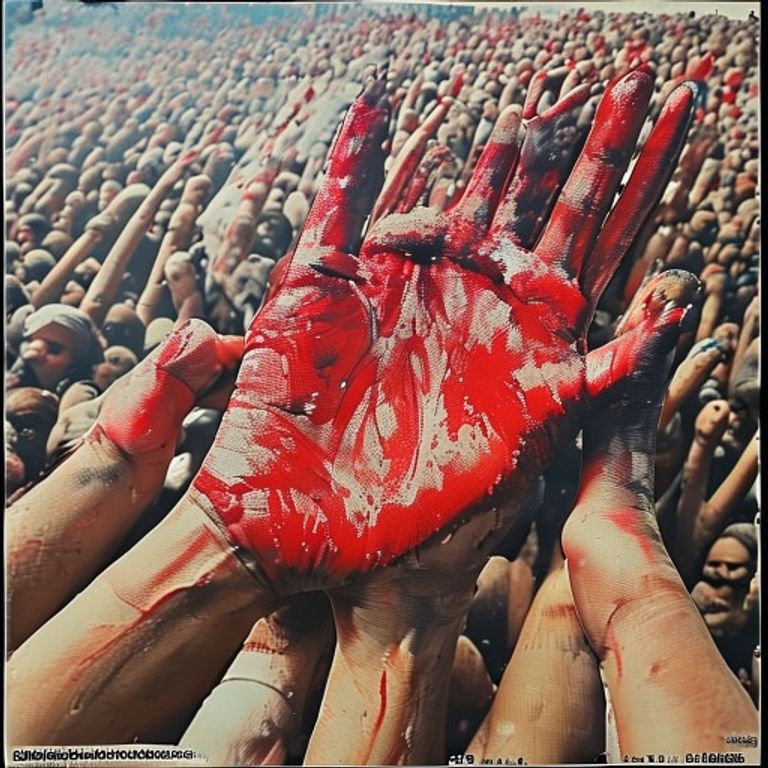
The prompt
Re-render this image in the visual register of Polish Solidarity-era underground graphic art (1980 through 1989, with hand-painted Solidarność script and the broader bibula underground-press visual tradition). The defining graphic gesture: a hand-painted brush-script aesthetic that looks like a crowd of people leaning on each other, every letter or shape painted with a thick wet brush in red on white, the script visibly hand-made and human rather than typographically clean. Surface texture: cheap photocopier or risograph reproduction, smudged toner, fold creases, occasional staple-hole at the corner, the artifact of clandestine basement reproduction during martial-law restrictions. Palette restricted: thick brush-red on unbleached cream paper, with occasional black ink secondary element or smudged grey halftone. Subject treatment: solidaristic-collective, the figure rendered as one of many rather than monumental hero, often in a crowd or in a working pose, painted with the same brush gesture as the script (visible brush load, varied line weight, slight wet bleed at edges). Composition: subject occupying lower two-thirds with implied banner or script gesture above (rendered as abstract red brush-stroke rather than legible word), surrounded by white margin that reads as cheap paper rather than considered negative space. Mood: collective patient pressure, the underground press of a movement large enough to be impossible to suppress, the brush-stroke as the signature of ten million members. Strictly no on-canvas text, no legible Polish words, no Solidarność wordmark itself, no legible bibula publication names, no signature, no watermark, all script-gestures rendered as abstract brush-stroke shapes that suggest writing without spelling. Preserve the subject, pose, and composition of the source image exactly, change only the medium and rendering. Aspect ratio matches source.
What it is doing
Collins flying-column principle scaled to ten million people. Solidarność was too large to be a cell and too organized to be a mob, which made the regime's standard responses incompetent. The rough red brush-script worked because it looked like a crowd, every letter leaning on the next, no industrial typographic cleanness available to the state-run press. The signature was un-counterfeitable because it was human, and the regime had nothing human to put against it.
Ways to change it
Pick any of these in the gallery and the choice is added to the prompt you copy.
- Period dial: 1980 shipyard strike: bold fresh red brush on clean paper, crowd at gates vs 1983 martial law: faded photocopy, heavy toner smudge, folds, cramped bibula sheet (signature) vs 1988 late era: confident red-and-black print, cleaner registration, wider margins
- Surface dial: clean printed poster vs smudged photocopy bibula vs risograph hand-cranked basement run
- Subject framing dial: solo working figure brushed vs crowd suggested through repetition vs paired figures coordinated
- Brush-script dial: thick wet red brush stroke above figure vs script gesture as background field vs brush-stroke as banner held by figure
- Palette dial: red on cream only vs red and black on cream vs red on photocopy grey
Style lineage
Learn the visual culture this draws from: Wikipedia.
Related prompts
See all 33 prompts in the Guerilla grammar