Video-Game-Case / Style prompt
Dreamcast Swirl-Banded VMU-Era Frame
The white clamshell Dreamcast case with the bold colored swirl banner across the top. Sega's last confident object, the orange-swirl promise that briefly looked like the future before it was killed.
Customize this prompt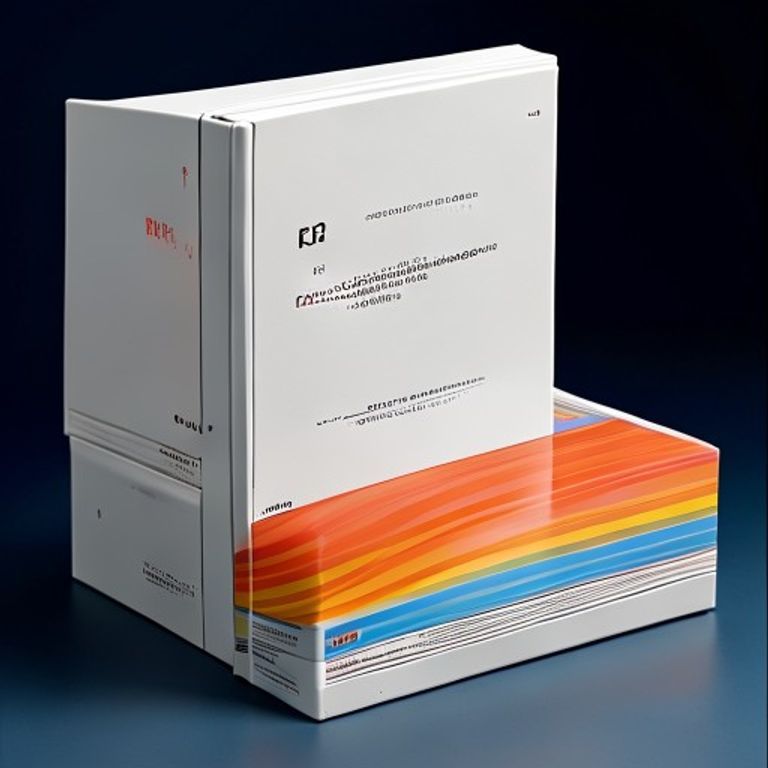
The prompt
Re-render this image as a 1999 to 2001 Sega Dreamcast retail video-game package in the canonical white clamshell jewel-case format used by Sega of America and Sega Europe. Package format: a CD-sized clamshell case slightly thicker than a music jewel-case, hinged on the left, made of bright opaque white polycarbonate plastic (not clear), printed paper insert sitting behind a clear front layer. Top edge of the insert: a thick colored banner running the full width of the cover, treated as a bold swirl-stripe in the canonical orange (PAL Europe and US) or blue (Japan) or red (special), with a thin white sub-rule beneath it (render as flat colored bands, no legible lettering). Hero illustration: a contemporary 1999 to 2000 in-engine-style render or painted keyart, executed with the saturated punchy color palette Sega used to signal arcade-grade fidelity at home, slightly higher polygon density than late PS1, smoother texture-mapping, the visible step-change in rendering capability. Bottom edge of the insert: a thin platform-branding band and rating mark area (render as small flat colored rectangles, no legible marks). Side spine: a vertical strip with the colored swirl-band repeated at the top. The case itself: bright white opaque plastic, slightly matte finish, the spec Sega chose to differentiate the package from Sony's clear-tray format, hinge slightly stiff. Print quality: 1999 offset litho, light gloss varnish over the keyart, registration tight. Mood: confident, arcade-ambitious, the medium briefly believing it could leapfrog Sony with online play and VMU peripherals before the platform died. No on-canvas legible text, no logos, no franchise marks, no swirl-logo rendering as a recognizable mark (just a colored banner). Preserve the subject, pose, and composition of the source image exactly, change only the medium and rendering. Aspect ratio is standard Dreamcast clamshell vertical portrait (roughly 5:6).
What it is doing
The Dreamcast clamshell is the last sovereign-object Sega ever shipped. The white opaque case, the orange swirl banner, the VMU-driven peripheral economy. It was a confident bet that the platform could leapfrog Sony on fidelity, online play, and ownable peripherals. The bet lost on financial logistics, not on product. The orange swirl became the doomed-promise icon: the package promised a future the company could not deliver. Owning a Dreamcast disc today is owning a relic of the moment a sovereign manufacturer stopped making sovereign objects.
Ways to change it
Pick any of these in the gallery and the choice is added to the prompt you copy.
- Swirl-band color: orange (US, PAL canonical) vs blue (Japan SKU) vs red (special-edition reissue)
- Hero-render era: 1999 in-engine-grade (launch window) vs 2000 painted-keyart (mid-cycle) vs 2001 pre-rendered-cinematic (late drift)
- Case-plastic dial: bright-white matte (canonical) vs translucent-white (PAL variant) vs crystal-clear (Japanese later run)
- Banner-thickness dial: thick swirl-band top quarter (canonical) vs thin top-edge stripe (austere) vs full-bleed swirl-gradient (deluxe)
- Insert-finish dial: glossy varnished (canonical) vs matte uncoated (budget reissue) vs embossed swirl-band (collector)
- Shelf-wear dial: mint sealed vs light hinge-yellowing (lived-in) vs cracked clamshell hinge + rental sticker residue (relic)
Style lineage
Learn the visual culture this draws from: Time Extension.
Related prompts
See all 26 prompts in the Video-Game-Case grammar