Movie-Poster / Style prompt
Polish Film Poster Surreal Painterly
Polish Poster School lineage (Tomaszewski, Lenica, Starowieyski, Świerzy, 1950s through 1980s). State-permitted surrealism that smuggled private meaning past the censors.
Customize this prompt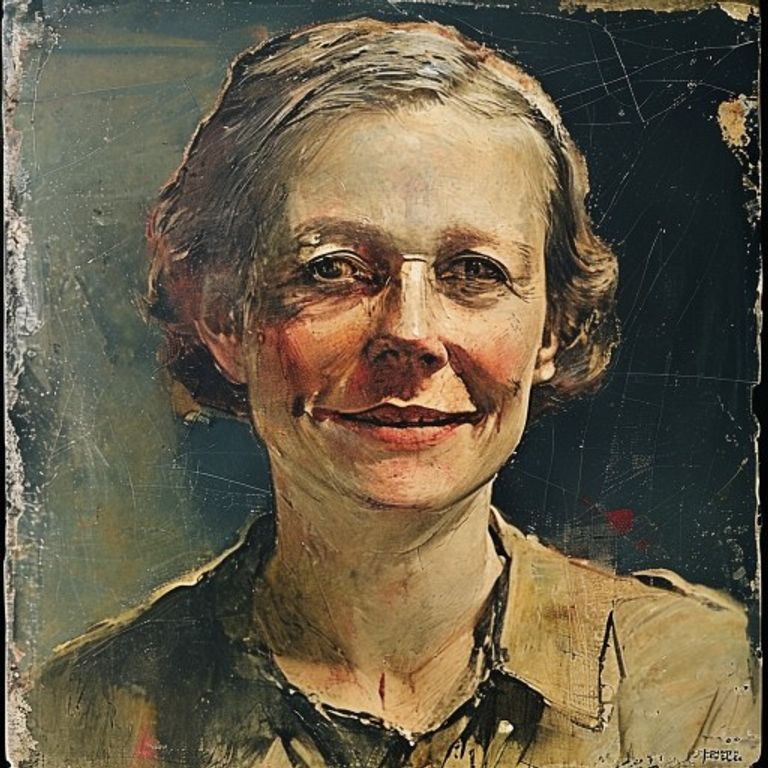
The prompt
Re-render this image in the visual register of the Polish Poster School (Henryk Tomaszewski, Jan Lenica, Franciszek Starowieyski, Waldemar Świerzy, 1950s through 1980s, the Warsaw school under state censorship). Painterly and surreal: gouache, ink, collage, and tempera on textured paper, never photographic, never digital. Treat the subject as metaphor rather than likeness, exaggerate one feature, distort one anatomical region, allow the body to dissolve into or fuse with an unrelated object that carries the emotional thesis. Palette muted and bruised: oxblood, ochre, umber, sage, charcoal, dirty cream, with one saturated accent (often a wound-red or a poisonous yellow). Surface visibly worked: brush drag, ink bleed, scratched-in texture, faint collage edges, the labor of the hand never hidden. Composition asymmetric, often unsettling, with the subject occupying an unexpected portion of the frame, large negative space active rather than empty, the viewer made to lean in. Mood: melancholic absurdity, gallows wit, the smile that is also a grimace, the private joke inside the official approval. Strictly no on-canvas text, no Polish lettering, no Cyrillic, no title cards, no legible writing, no signature, no watermark. Preserve the subject, pose, and composition of the source image exactly, change only the medium and rendering. Aspect ratio matches source.
What it is doing
The Polish Poster School worked under Soviet-aligned censorship and built a visual dialect of permitted surrealism. The state approved abstract metaphor because abstract metaphor read as "art" to the censor; the public read it as dissent. Lansdale's hearts-and-minds principle inverted: the work the state allows is the work the audience trusts. The dream-image is the carrier wave.
Ways to change it
Pick any of these in the gallery and the choice is added to the prompt you copy.
- Era dial: 1955 Tomaszewski early vs 1965 Lenica peak vs 1978 Starowieyski grotesque vs 1983 Świerzy expressionist
- Distortion dial: mild exaggeration of one feature vs body fuses with object vs figure dissolves into negative space
- Palette dial: bruised earth tones vs oxblood and cream vs acid-yellow on charcoal
- Surface dial: gouache only vs gouache plus collage vs ink wash with scratched relief
- Mood dial: drooping forms, heavy umber shadows, a single wilted wound-red accent vs absurd comic distortion, oversized feature, playful poisonous-yellow accent (signature) vs stark charcoal silhouette, deep negative space, small piercing oxblood eye
Style lineage
Learn the visual culture this draws from: DailyArt Magazine.
Related prompts
See all 34 prompts in the Movie-Poster grammar