Sticker-Vinyl / Style prompt
Risograph Two Color Grain (Style-Only, Image-Conditioned)
Style register: contemporary independent risograph print grammar, 2 to 3 color overlapping prints on uncoated paper, deliberate misregistration, soy-ink texture, the look of the contemporary zine / art-print / Mission Comix scene 2014 onward.
Customize this prompt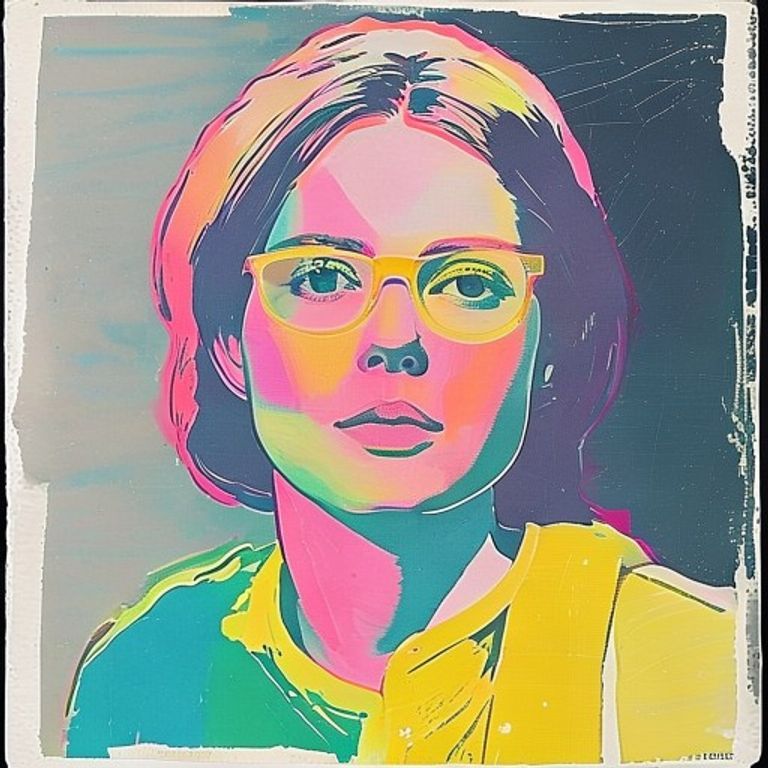
The prompt
Re-render this image as a risograph print in the visual register of contemporary independent risograph studios (Colour Code Toronto, Hato Press London, Newton Press Brooklyn, the entire 2014-onward Risolve / Risograph zine fair scene). Source image separated into TWO OR THREE flat color plates printed in registration on absorbent uncoated paper. Risograph soy-ink color set: pick from the canonical risograph palette of fluorescent pink, federal blue, sunflower yellow, fluorescent orange, teal, brown, kelly green, hunter green, plum, rich gold, the colors NEVER mixing into a third color in CMYK fashion (riso plates overprint, they do not blend, the overlap shows as the third color where two plates physically overlap). Print texture: characteristic risograph GRAIN AND STREAK, slight horizontal banding where the drum spun unevenly, deliberate misregistration of the second color by 1-3 millimeters off-axis (a fluorescent pink shape shifted slightly down and right from the federal blue shape it should align with, the misregistration creating a colored ghost-edge along every form). Texture and absorption: ink soaks into the uncoated paper with slight feathering at the edges, visible paper fibers, the look of a print pulled at home rather than machine-offset. White areas: pure unprinted paper, slightly off-white cream from the uncoated stock, NEVER pure digital white. Composition retains source image structure but rendered in flat 2-color illustration style, plates separated by tonal value (one plate as line / detail, one plate as fill / shadow), bold confident forms. Slight 3-degree off-axis paper crop suggesting hand-trimmed deckle edges. No on-canvas text, no studio name, no edition number, no signature, no English lettering hallucinated onto the print. Preserve the subject, pose, and composition of the source image exactly, change only the medium and rendering: source becomes a 2-color risograph print with deliberate misregistration and grain on uncoated cream paper.
What it is doing
The risograph is a 1980s Japanese duplicator originally sold to schools and churches that the contemporary zine scene revived around 2010 because it does something offset printing cannot: it MISREGISTERS, it GRAINS, it FEATHERS, the third-color overlap is unpredictable. The honesty of the misregistration IS the aesthetic. Every print is slightly different, the machine is part of the author, the imperfection is signed. The riso register is the moral opposite of the AI-generated infinite-perfect-image.
Ways to change it
Pick any of these in the gallery and the choice is added to the prompt you copy.
- Color pair: fluorescent pink + federal blue (signature canonical pair) vs sunflower yellow + plum vs teal + fluorescent orange vs hunter green + rich gold
- Misregistration intensity: subtle 1mm off vs noticeable 2-3mm off (signature) vs extreme glitch 5mm off
- Grain load: subtle drum-banding vs pronounced soy-ink grain (signature) vs clean (un-riso)
- Plate separation strategy: one plate line / one plate fill (signature) vs two plates both contribute to form vs three plates RGB-ish
- Paper stock: uncoated cream (signature) vs bright white smooth vs tinted kraft brown
- Edge crop: slightly off-axis hand-trimmed (signature) vs clean machine-cut
Style lineage
Learn the visual culture this draws from: RISO Official Company History.
Related prompts
See all 7 prompts in the Sticker-Vinyl grammar